Houba: The Display Font That Commands Attention
When you're crafting a brand identity, designing a poster, or building a website, the font you choose does more than just display words—it sets a tone. Some typefaces whisper, others speak clearly, but a true display font like Houba shouts from the rooftops. This isn't a typeface for body text or subtle notes; it's a premium font engineered to be the undisputed star of the show. Its bold, artistic personality is built for moments where you need maximum impact and zero ambiguity.
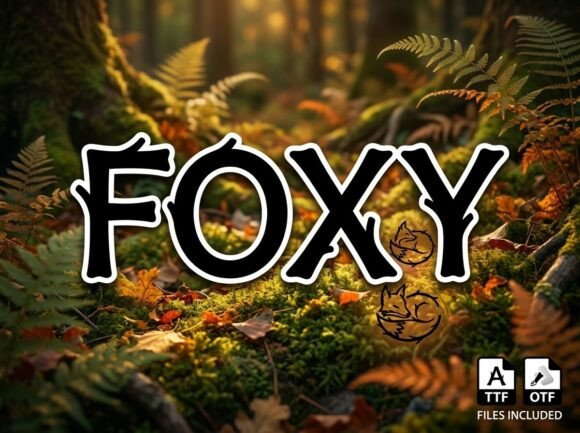
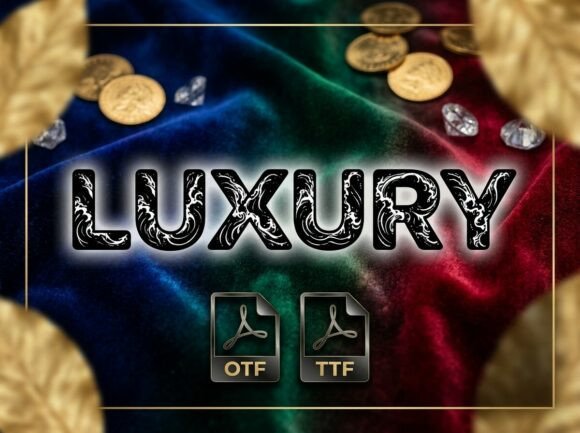
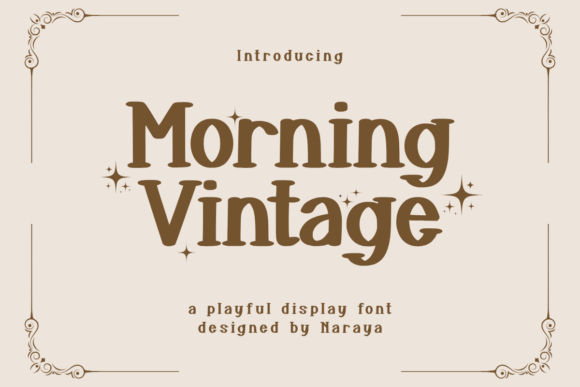
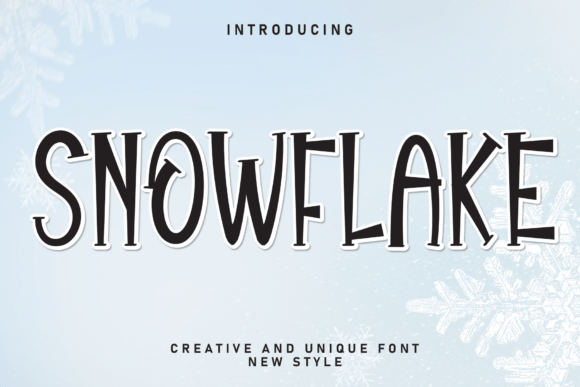
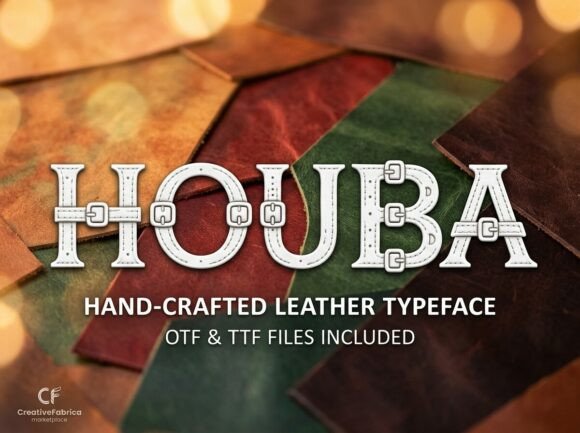
Houba is a creative font that lives in the realm of high-impact modern typography. It features strong, unique letterforms with distinct artistic elements—think unexpected curves, geometric weight, or decorative details that make each character feel like a piece of art. The overall appeal is confident and contemporary, designed for creators who want to break away from ordinary, safe choices. It’s the kind of typeface that can define the visual language of a project, making it instantly memorable.
Where Houba Truly Shines: Practical Applications
Understanding a font's personality is one thing; knowing where to deploy it is another. Houba's strength lies in its versatility for specific, high-stakes design contexts. It excels in logo design, where a unique wordmark needs to carry the weight of a brand. For entrepreneurs and small business owners, this can be the foundation of a recognizable brand identity that stands out in a crowded market.
In editorial design and packaging design, Houba becomes a powerful tool for visual hierarchy. Use it for chapter titles, magazine headlines, or product names on packaging to draw the eye instantly. Its bold nature ensures key information isn't missed. For web design and social media graphics, it's perfect for hero section headings, banner text, and promotional posts where you need to stop the scroll. Think of it as a headline specialist for digital campaigns.
Beyond commercial use, Houba is a fantastic asset for personal projects. Crafters and hobbyists can use it to create stunning invitations, personalized gifts, or standout scrapbook elements. Bloggers and content creators can leverage it for YouTube thumbnails, podcast cover art, or ebook covers to boost click-through rates and perceived value. Its all-caps design ensures a consistent, powerful look across all these applications.
Making the Most of Houba: A Designer's Perspective
Choosing a display font like Houba requires a bit of strategic thinking. First, evaluate the project fit. Is your goal to be playful, luxurious, edgy, or authoritative? Houba's specific personality needs to align with your message. It's not a neutral sans serif font or a traditional serif font; it's a statement piece. Use it where that statement is needed.
Next, consider font pairing. This is crucial. Because Houba is so distinctive, it pairs best with clean, neutral typefaces for supporting text. A simple sans serif like Open Sans or a classic serif like Lora can provide the necessary contrast, allowing Houba to headline while the paired font handles the body copy. This maintains readability and professionalism without diluting the impact of your headlines.
Remember the all-caps nature of Houba. This is a deliberate design choice for high-impact headlines and decorative initials. Using all-caps for long sentences or paragraphs severely hampers readability, so reserve it for short, powerful phrases where every letter can be appreciated as an artistic element. For logos and titles, this constraint becomes a feature, ensuring a bold and consistent brand perception.
When you purchase Houba, you receive both OTF and TTF files, ensuring broad compatibility. The OTF file is ideal for advanced design software, while the TTF file offers universal support across devices and platforms. This makes it a reliable commercial font for professionals who need seamless integration into their workflow, whether for print or digital design assets.
Ultimately, a font like Houba is a tool for audience engagement. It doesn't just communicate a message; it communicates an attitude. By using it judiciously in the right contexts—bold logos, standout headlines, creative packaging—you can elevate a project's visual appeal, strengthen its brand identity, and create work that feels both professional and distinctly creative. It’s about making a conscious choice to stand out.